Dr Amandeep Gujral | Spine Care India

Spondylolisthesis (Listhesis) and Spinal Stenosis

Spondylolisthesis (Listhesis) & Spinal Stenosis

Back Pain That Gets Worse While Standing or Walking?

Spondylolisthesis and spinal stenosis are spine conditions that can cause lower back pain, leg pain, numbness and difficulty walking. With the right diagnosis and treatment, many patients can manage their symptoms and return to their daily activities.

Common Symptoms

Lower back pain, leg pain, numbness or weakness

Often Worse With

Standing, walking or prolonged activity

Treatment

Physiotherapy and medicines first; surgery in selected cases

What happens in your Lower back

Your spine is made up of small bones called vertebrae. These bones are supported by discs, joints and ligaments that help keep the spine stable.

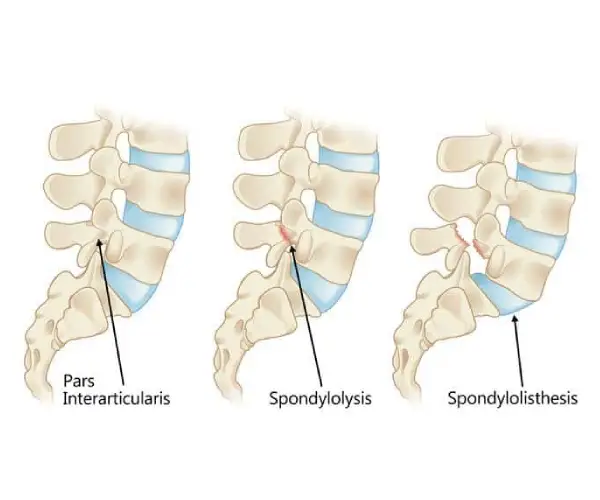
With age, injury or changes in the spine, one vertebra can move forward over another. This is called spondylolisthesis.

Another related problem is spinal stenosis, where the space around the spinal nerves becomes narrower and may put pressure on the nerves.

What Is Spondylolisthesis?

Spondylolisthesis means that one vertebra has slipped forward compared with the vertebra below it.

1

Spine support becomes weak

The joints, discs or supporting structures may become weaker because of age-related changes or other causes.

2

One vertebra moves

The affected vertebra can shift from its normal position, causing instability.

3

Nerves may become compressed

The movement or narrowing around the spine may put pressure on nearby nerves, causing back or leg symptoms.

Signs of Spondylolisthesis & Spinal Stenosis

You may experience:

Symptoms can vary depending on the level and severity of the condition.

Why Does Spondylolisthesis Happen?

Most common cause

Age-Related Changes

Wear and tear of the discs, joints and supporting structures can affect spine stability.

Developmental Changes

Some people are born with changes in the spine that can increase the risk of vertebral slipping.

Injury or Stress

Repeated stress or certain injuries can affect the supporting parts of the spine.

25–40

years — most affected

Who May Be More at Risk?

The risk can be higher in people who:

Older adults

People with long-standing back problems

People with previous spine injuries

People involved in activities that repeatedly stress the lower back

People with age-related spine changes

Confirming the Problem

Your doctor will review your symptoms and examine your spine, legs and nerve function. Tests may include:


X-Ray

Shows the position and alignment of the vertebrae.

Dynamic X-Ray

Flexion and extension X-rays can help identify abnormal movement or instability.

MRI Scan

Shows the discs, nerves and spinal canal and can identify nerve compression.

CT Scan

Provides a detailed view of the bones and spine structure.


Not every patient needs every test. Investigations depend on your symptoms and examination

Treatment for Spondylolisthesis & Spinal Stenosis

First Step

Non-Surgical Treatment

Many patients can be managed without surgery.

Treatment may include:

If needed

When Is Surgery Considered?

Surgery may be considered when:

The decision depends on your symptoms, examination and scan findings.

Decompression & Spinal Stabilization

When surgery is required, the goal is to relieve pressure on the nerves and improve spine stability.

Depending on the condition, surgery may involve:

Minimally invasive techniques may be suitable for selected patients.

What Can Recovery Look Like?

Early Recovery

Walking and movement are generally encouraged as advised by the doctor.

First Few Weeks

Activity is gradually increased while avoiding movements that place excessive stress on the spine.

Rehabilitation

Physiotherapy and core-strengthening exercises can help improve mobility and support the spine.

Long Term

Maintaining a healthy weight, good posture and regular exercise can support long-term spine health.

Long Term

Regular exercises that strengthen your core and back can help support your spine and reduce the risk of future problems.

Spondylolisthesis Can Be Managed

Spondylolisthesis does not always mean surgery. With the right diagnosis and treatment plan:

Many patients improve with non-surgical care

Physiotherapy can improve strength and mobility

Pain management may help selected patients

Surgery can be considered when symptoms are severe or persistent

Treatment is planned according to the individual condition

See the procedure and hear from
patients

A clearer picture of what a slip disc is, how microdiscectomy works, and what recovery actually looks like.

lower back
lower back

Questions patients ask most

Yes. Depending on the severity, treatment may include medicines, physiotherapy, posture correction and activity changes.

Controlled walking may help maintain mobility, but painful or excessive activity should be avoided.

Surgery may be considered when pain persists despite treatment or when there is significant nerve compression or weakness.


Depending on the condition, decompression and spinal stabilization or fusion may be recommended.

Most patients gradually return to normal activities as recovery progresses. The timeline varies from person to person.

Still Experiencing Back or Leg Pain?

Persistent back pain, leg pain, numbness or weakness should be properly evaluated.

Other spine conditions we treat

Cervical Spondylosis & Neck Conditions

Pain Management (Non-Surgical)

Scoliosis & Deformity Correction

Osteoporotic Spine Fractures

Spinal Infections

Spine Tumors

Spine Biopsy

Scroll to Top