Dr Amandeep Gujral | Spine Care India
Discover expert healthcare solutions designed to support better care, visibility, and growth.
Read patient stories, explore our gallery, and stay updated with the latest blogs.
Persistent back or neck pain that does not improve, especially pain that is worse at night or associated with weakness or numbness, needs proper evaluation. A spine tumor is uncommon but can affect the bones, nerves or spinal cord.
Bones, spinal cord, nerves or surrounding tissues
MRI, CT and biopsy when required
Depends on tumor type, location and nerve involvement
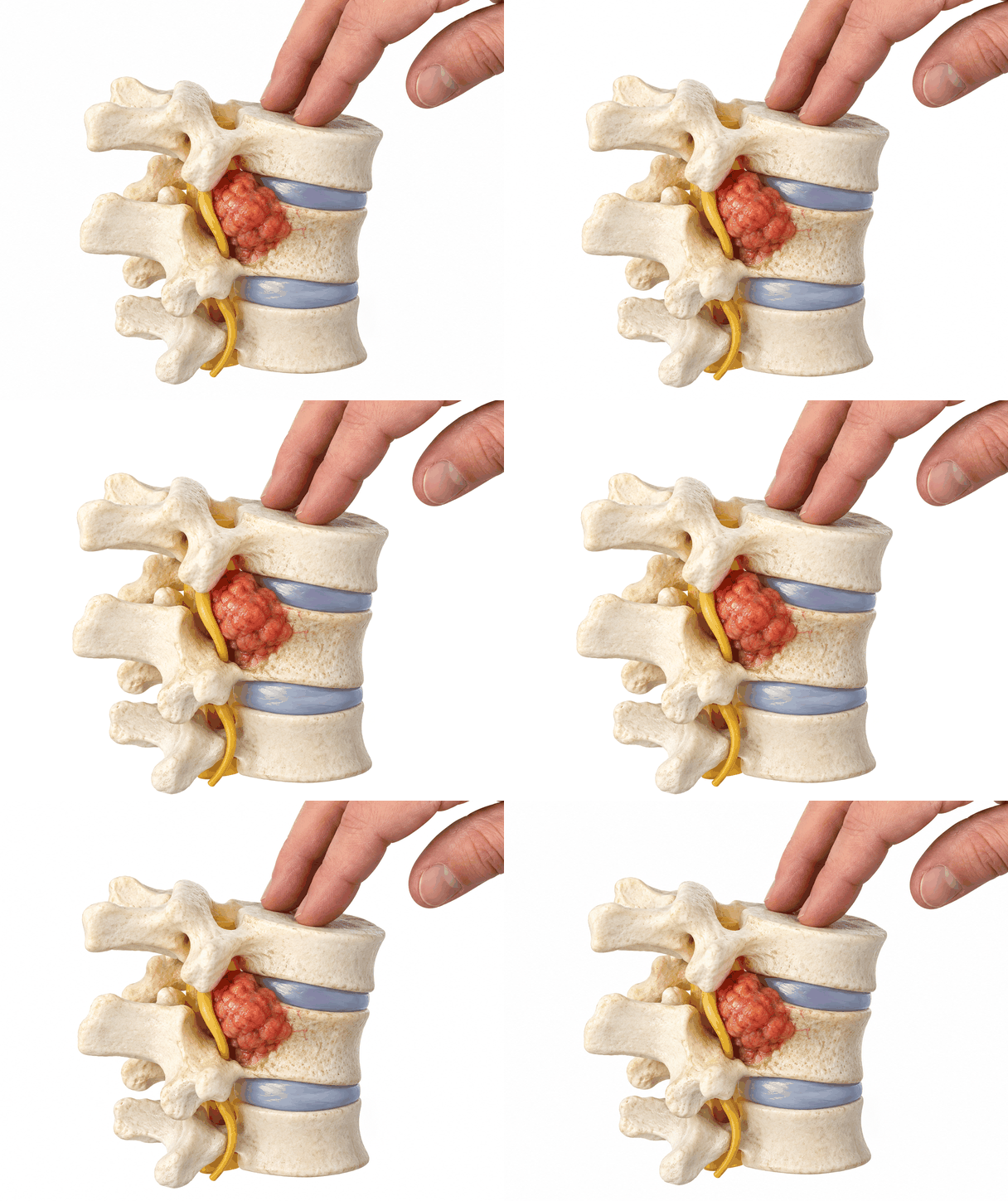
A spine tumor is an abnormal growth of cells in or around the spine.
It can develop in:
Some tumors are benign, while others may be cancerous.
A tumor begins growing within or around the spinal structures.
As it grows, it may involve the bones, nerves or spinal cord.
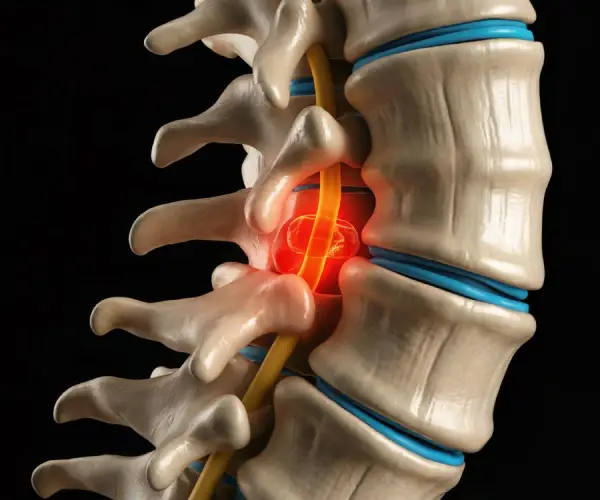
Compression may cause pain, numbness, weakness or difficulty walking.
Symptoms may include:
These symptoms do not automatically mean a tumor, but persistent or unusual symptoms should be evaluated.
years — most affected
Provides detailed images of the spine, nerves and spinal cord.
Provides detailed information about the bones.
A tissue sample may be required to identify the exact type of tumor.
May be used as part of the overall evaluation.
Depending on the tumor, treatment may include:
Surgery may be considered when:
Surgery may involve:
Removing all or part of the tumor when appropriate.
Removing pressure from the spinal cord or nerves.
Rods, screws or other implants may be used when the spine needs additional support.
Treatment may involve a team including a spine surgeon, oncologist, radiologist and rehabilitation specialists.
Movement and pain management are planned according to the procedure.
Some patients may need additional cancer treatment such as radiation or chemotherapy.
Physiotherapy may help improve strength, mobility and daily function.
Regular follow-up and imaging may be required.
Treatment depends on the exact diagnosis.
A clearer picture of what a slip disc is, how microdiscectomy works, and what recovery actually looks like.
No. Some spine tumors are benign, while others are malignant.
MRI and CT scans can identify suspicious areas. A biopsy may be required to confirm the tumor type.
No. Treatment depends on the tumor type, size, location and symptoms.
Yes. Persistent back pain, especially pain that is worse at night or does not improve, may require evaluation.
It can cause pain, numbness or weakness. Significant nerve or spinal cord pressure may require urgent treatment.
If your pain is persistent, worse at night or associated with weakness or numbness, get it evaluated.