Spine Infection
- Spine Infection
Spine Infection Treatment
Persistent back pain with fever, weakness, weight loss or pain at night may sometimes be linked to a spine infection. Spine infections can affect the bones, discs or surrounding tissues and need proper diagnosis and timely treatment.
- Accurate diagnosis of the infection
- Medical treatment whenever suitable
- Surgery when nerve pressure or instability requires it

Possible Symptoms
Persistent back pain, fever or weakness
Common Causes
Bacterial infection, tuberculosis or fungal infection
Treatment
Usually medical treatment; surgery in selected cases
- Understanding the Condition
What Is a Spine Infection?
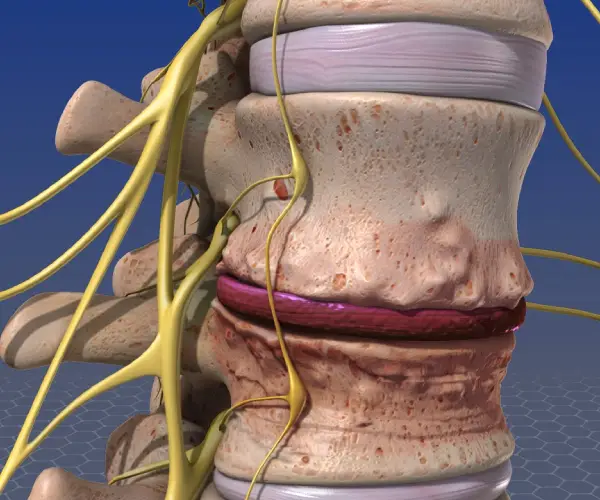
A spine infection occurs when an infection affects one or more parts of the spine. It may involve:
- Vertebrae
- Intervertebral discs
- Surrounding soft tissues
- Areas around the spinal nerves
Different infections require different treatments, so identifying the cause is important.
- The Mechanism
How Can a Spine Infection Affect the Body?
1
Infection reaches the spine
Bacteria, tuberculosis or other organisms may reach the spine through the bloodstream or from nearby areas.
2
Bone or disc becomes inflamed
The infection can affect the vertebrae, discs or surrounding tissues.
3
Nerves or spine stability may be affected
Advanced infection can cause nerve pressure, bone damage or spinal instability.
- Symptoms
Signs of a Spine Infection
You may experience:
- Persistent back pain
- Pain at rest or during the night
- Muscle spasms
- Fever
- Fatigue
- Loss of appetite
- Unexplained weight loss
- Weakness in the arms or legs
- Numbness or tingling
These symptoms can overlap with other conditions, so proper diagnosis is important.
- Causes & Risk Factors
Who May Be More at Risk?
25–40
years — most affected
The risk can be higher in people who:
Reduced immunity
Diabetes or other medical conditions
Kidney disease or dialysis
Long-term steroid use
Previous or ongoing infections
Tuberculosis exposure
Prolonged hospitalization
- Tests & Diagnosis
Confirming a Spine Infection
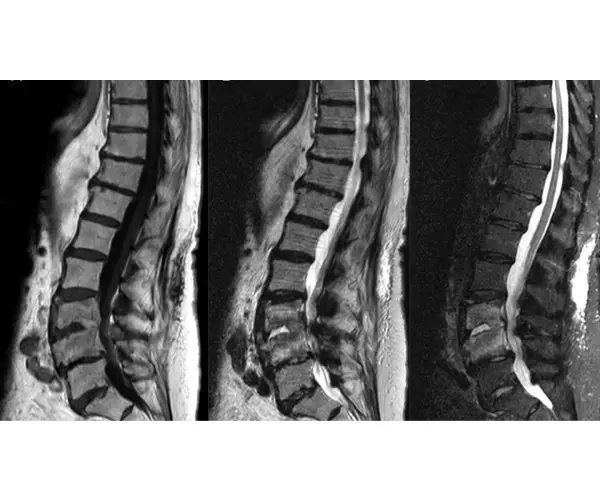
MRI (Magnetic Resonance Imaging) Scan
Provides detailed information about infection, nerves and surrounding tissues.
Blood Tests
May help identify inflammation and infection.
X-Ray
Can show some changes in the spinal bones.
Biopsy
In selected cases, a tissue sample may help identify the exact infection and guide treatment.
- Treatments
Treatment for Spine Infection
First Step
Medical Treatment
Many spine infections can be treated with medicines.
Depending on the cause, treatment may include:
- Antibiotics
- Anti-tubercular medicines
- Antifungal treatment when required
- Pain management
- Regular blood tests and imaging
- Follow-up monitoring
If needed
When Is Surgery Considered?
Surgery may be considered when:
- Nerves or the spinal cord are compressed
- There is neurological weakness
- Pain is severe or difficult to control
- The spine becomes unstable
- Infection causes significant bone destruction
- Drainage or tissue sampling is required
- The Procedure
Surgical Treatment for Spine Infection
Depending on the condition, surgery may involve:
Decompression
Removing pressure from the nerves or spinal cord.
Drainage
Removing infected fluid or tissue when necessary.
Biopsy
Taking a sample to identify the infection.
Stabilization
Screws and rods may be used when the spine has become unstable.
What Can Recovery Look Like?
During Treatment
Medicines are taken for the duration prescribed by the treating team.
Monitoring
Blood tests and imaging may be used to check how the infection is responding.
Gradual Recovery
Activity is increased according to pain, strength and spine stability.
Long Term
Completing treatment and attending follow-up appointments are important.
- The Outlook
Early Diagnosis Matters
Spine infections require timely medical attention.
Surgery is not always required
Early treatment can help prevent nerve and structural complications
Treatment depends on the type and severity of infection
- Videos & Photos
See the procedure and hear from
patients
A clearer picture of what a slip disc is, how microdiscectomy works, and what recovery actually looks like.
- Patient FAQs
Questions patients ask most
No. Many spine infections are treated with medicines. Surgery is considered in selected cases.
Yes. Spinal tuberculosis can affect the vertebrae and surrounding tissues and requires specific treatment.
A biopsy can help identify the cause of the infection and guide the appropriate treatment.
Yes. Severe infection can sometimes affect nerves or the spinal cord and cause weakness or numbness.
Delayed treatment may allow infection-related bone damage or nerve compression to progress.
Persistent Back Pain With Fever?
If you have persistent back pain with fever, weight loss, numbness or weakness, seek medical evaluation.
- Related Conditions